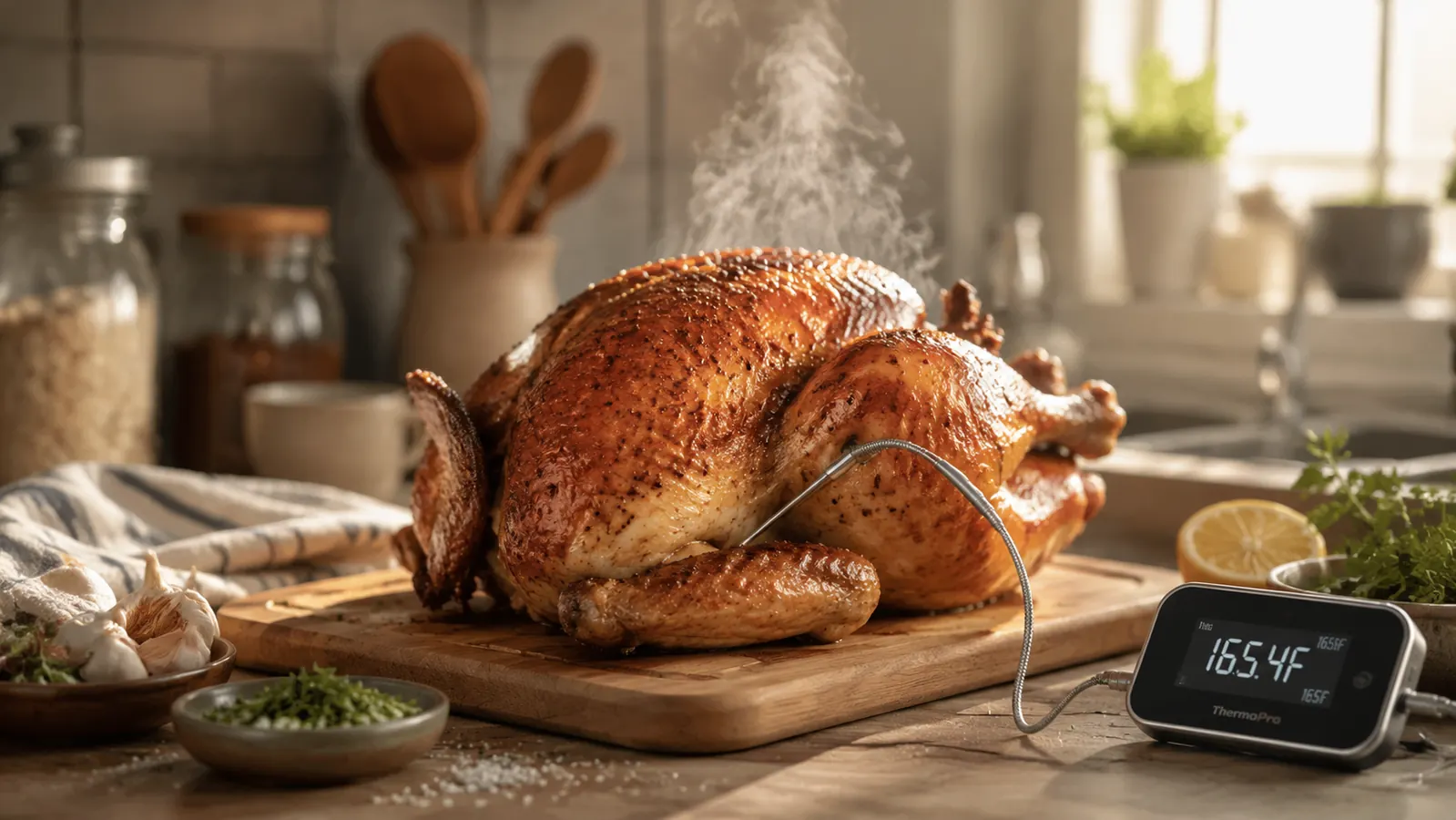
For years I judged doneness by poking meat with a finger or cutting it open to peek. Both methods are guesses, and guesses are how you end up with dry chicken breast or a steak that's gray all the way through in a kitchen that isn't much bigger than a walk-in closet. A meat thermometer takes the guessing out of it. Since I started using the TempPro TP17 on my own stovetop and grill, I haven't had a single dinner ruined by overcooking, and I've noticed the same thing happen for almost every home cook I've recommended it to.
Here are ten specific ways a thermometer changes what happens at the stove and the grill, based on what's actually shown up in my own cooking over the past several months, not on theory I read somewhere else.
Stop cutting into meat to check if it's done
The TempPro TP17 reads internal temperature in seconds with a dual probe setup, so you can check the oven or grill without opening the door or slicing anything open.
Amazon Check Today's Price on Amazon →It replaces the cut-and-peek method entirely
Cutting into chicken or pork to check color lets juices run out right where you need them most. Every cut you make before the meat rests is moisture leaving the pan, and it adds up over a whole roast. A probe thermometer tells you the internal number without opening a single incision, so the juices stay where they belong until you're ready to slice for serving, which is the whole point of resting meat in the first place.
It catches carryover cooking before it overshoots
Meat keeps cooking after it leaves the heat source, sometimes by 5 to 10 degrees depending on thickness. I pull my chicken breasts at 160F now instead of 165F, because I know the temperature climbs while it rests under foil on the counter. Without a reading, you have no way to know how much buffer you actually have, so you either pull too early and worry, or pull too late and dry it out completely.
The dual probe setup means less oven door opening
Every time you open the oven to check on a roast, you lose heat and add cooking time you didn't plan for. The TP17 runs two probes on cables that route out through the door, so the display sits on the counter while the oven stays sealed the whole time. I leave one probe in a pork loin and one in a side of vegetables and just glance at the numbers on the counter instead of guessing what's happening inside.
It gives you a real number instead of a feel
Touch tests for doneness rely on comparing firmness to your palm, which sounds fine until you're cooking a cut you haven't made before, or a thickness that's different from what you're used to. A thermometer removes that variable completely. 145F is 145F whether it's a pork chop or a thick-cut steak, and that consistency is what made me trust it over my own hands after years of second-guessing myself at the stove.
It protects you from undercooking, not just overcooking
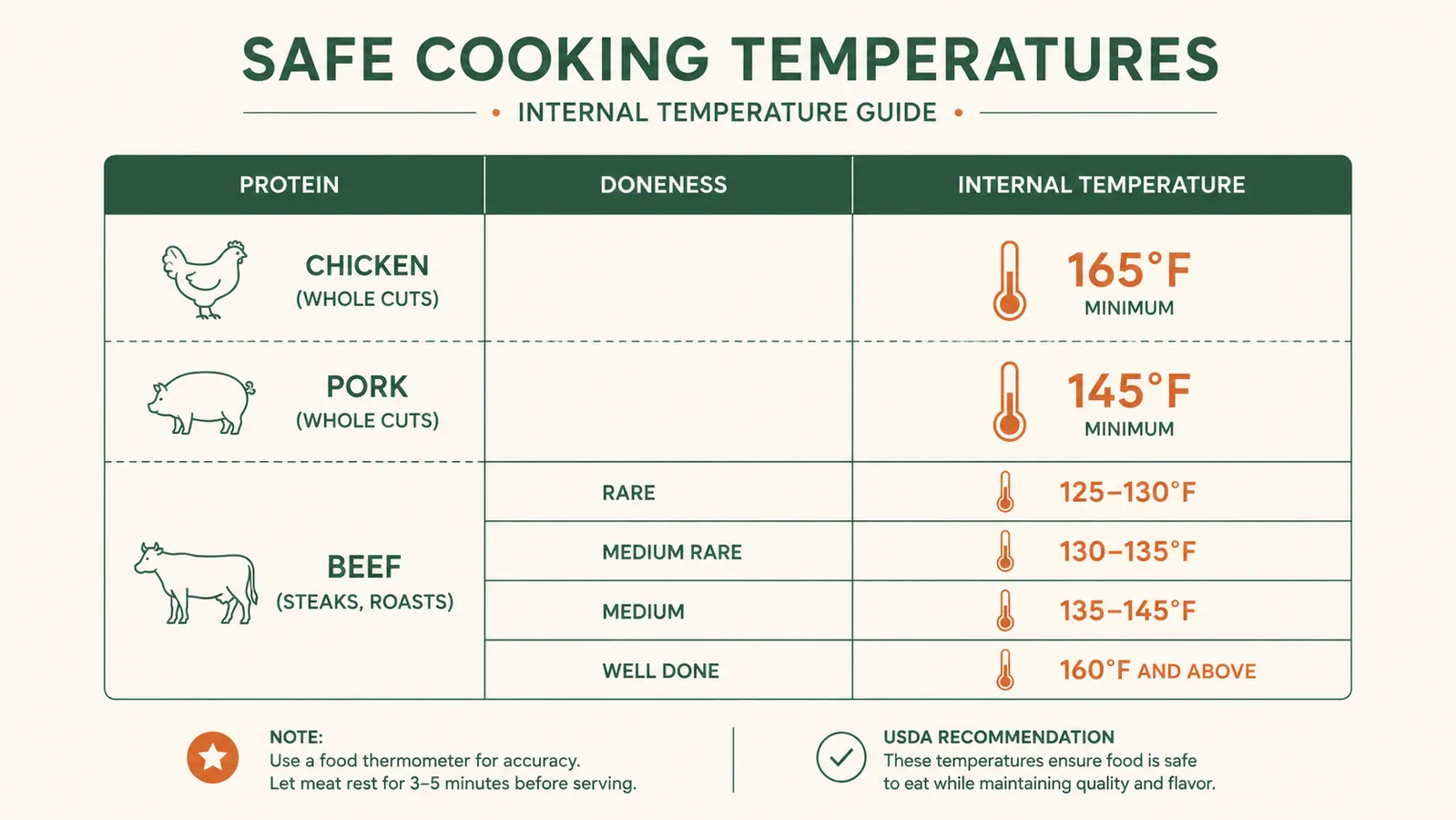
Most of the conversation around thermometers focuses on preventing dry, overdone meat, but the reverse matters just as much. Poultry that looks done on the outside can still be pink and unsafe near the bone. I've pulled chicken thighs off the grill that looked perfectly browned and still read 148F in the thickest part, well under the 165F they needed, which I never would have caught by eye alone.
It works the same on the grill as it does in the oven
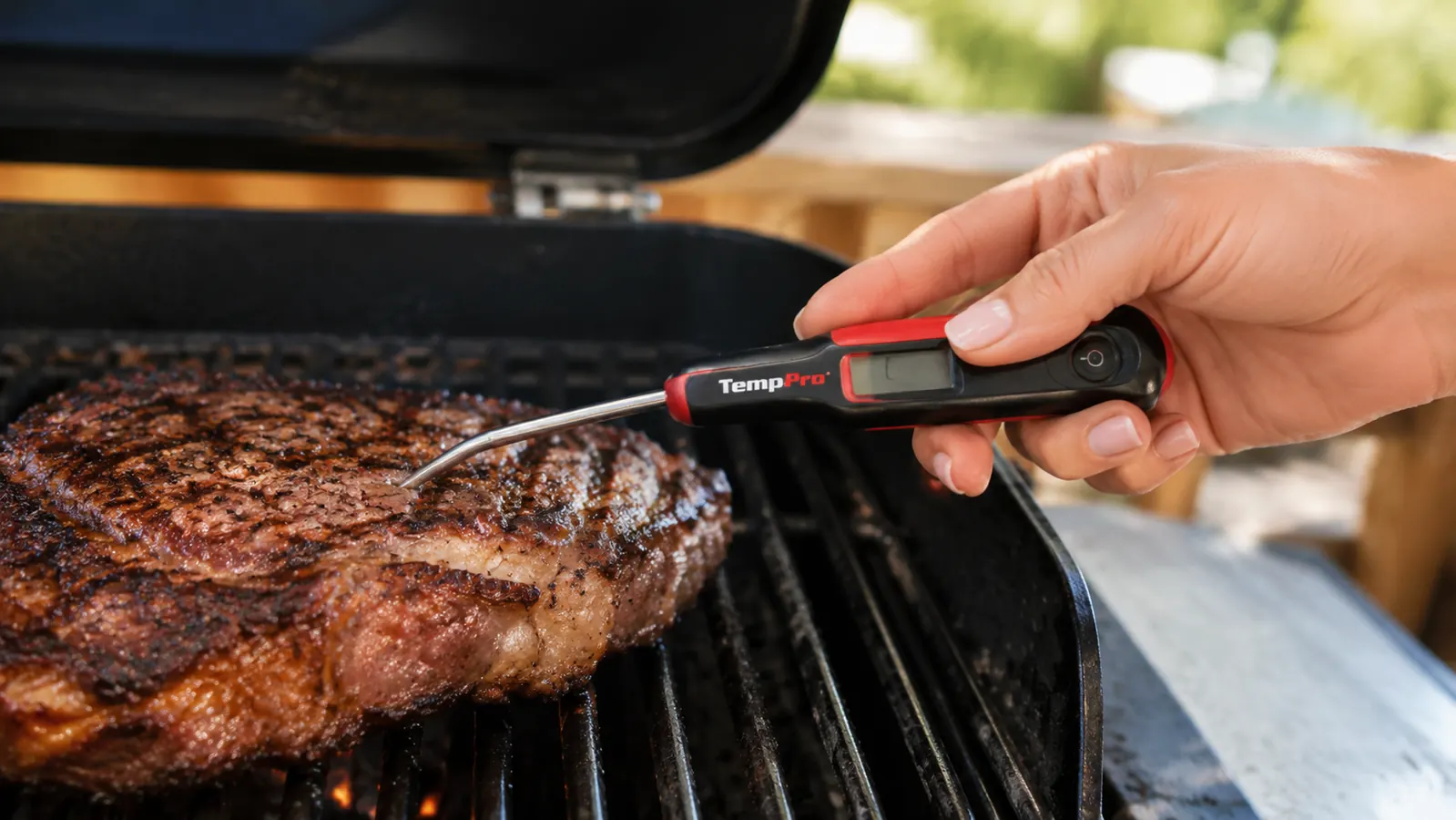
Grilling adds another layer of uncertainty because flare-ups and hot spots make the outside cook unevenly. I've had steaks that were charred on one side and barely warm on the other, especially on an older grill with an uneven burner. Sticking the probe into the thickest part of the cut gives me a real internal reading no matter what the grates are doing to the surface, which is the only number that actually matters for doneness.
The timer mode keeps you from losing track during multitasking
Weeknight dinners rarely involve standing at the oven the whole time. I'm usually setting the table, helping with homework, or starting a side dish on another burner. The TP17's built-in timer and alarm mean I can set a target temperature, walk away, and get a loud alert when the meat is close, instead of relying on a mental clock that resets every time something else needs attention in a small kitchen.

It takes the anxiety out of cooking for guests
Overcooking is embarrassing in front of company in a way it isn't when it's just family. I used to check a roast four or five times before guests arrived, cutting little slits to peek, which left the meat looking hacked up before it even hit the table. Now I check the display once or twice and trust the number, which means the roast looks intact when I carve it at the table instead of in the kitchen out of sight.
It makes unfamiliar cuts and recipes less risky
Trying a cut you've never cooked, like a pork shoulder or a thick bone-in chop, used to mean overcooking on purpose just to be safe. With a thermometer, I don't need years of experience with a specific cut to know when it's ready. I just need the target number, which takes maybe ten seconds to look up, and the rest is just reading the display until it climbs to where it needs to be.
It reduces food waste from ruined cuts
An overcooked steak or a dried out roast chicken is money down the drain, and it happens more often than most people admit. Since using a thermometer regularly, I can't remember the last time I threw away a piece of meat because it turned out inedible from overcooking. That alone has more than made up for the shelf space the thermometer takes up in my drawer, and my drawer doesn't have room to spare.
What I'd Skip
I wouldn't bother with thermometers that only give a single instant-read probe if you're regularly cooking large roasts or smoking meat over long stretches. You end up opening the oven or the smoker lid constantly to spot-check, which defeats a lot of the purpose of owning one in the first place. I'd also skip the cheapest analog dial thermometers I tried early on. They were slow to respond and off by several degrees compared to a digital reading, which matters more than it sounds like when you're working within a 10 degree safety window between undercooked and dry.
The thermometer didn't make me a better cook. It just stopped me from guessing on the one number that actually decides if dinner is good.
Fewer dry dinners, less guesswork at the grill
If overcooked chicken or tough steak has been a recurring problem in your kitchen, a dual probe thermometer like the TempPro TP17 is one of the cheapest fixes available for it.
Amazon Check Today's Price on Amazon →